Call Today for Your Free Consultation
 415-729-7300

Call Today for Your Free Consultation
415-729-7300

Does It Help My DUI Case if I Refused a Breath Test in CA?
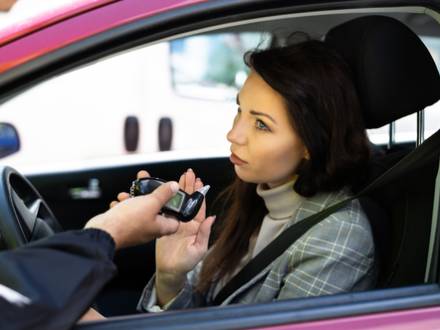 Refusing a breath test in California removes one piece of potential evidence from your DUI case. However, it does not help as much as many people hope, and it comes with its own serious consequences. A refusal means the prosecution cannot use a blood alcohol reading against you, but it does not prevent a DUI charge or conviction. In fact, a refusal can actually be used against you in court. If you refused a breath test and are now facing DUI charges in 2026, a Sonoma DUI defense lawyer can help you understand how the refusal affects your case and what defenses are available to you.
What Is California's Implied Consent Law?
California's implied consent law is what makes refusing a chemical test a serious legal issue. Under California Vehicle Code § 23612, anyone who drives a motor vehicle in California is considered to have given their consent to a chemical test of their blood or breath if they are lawfully arrested for DUI. This consent is built into the act of driving. You do not have to sign anything for it to apply.
Once you are under arrest for DUI, you are generally required to submit to either a breath or blood test. If you refuse both, you are violating the implied consent law, and that refusal carries its own set of penalties separate from the DUI itself.
What Are the Penalties for Refusing a Chemical Test in California?
The penalties for refusing a chemical test in California are significant and apply regardless of whether you are ultimately convicted of DUI. A first-time refusal typically results in a one-year license suspension imposed by the DMV. A second refusal within ten years results in a two-year revocation. A third refusal results in a three-year revocation.
These suspensions are administrative, meaning they are imposed by the California DMV, not by the criminal court. They happen on a separate track from the criminal case and can take effect even if the DUI charge is later reduced or dismissed. You have ten days from the date of your arrest to request a DMV hearing to challenge the suspension. Missing that deadline means the suspension goes into effect automatically.
Can the Prosecution Use Your Breath Test Refusal Against You in CA?
California law allows prosecutors to introduce evidence of a refusal in many DUI cases. In other words, the prosecutor can argue to the jury that you refused the test because you knew you were impaired. The jury can then draw its own conclusions about what that means.
This does not automatically result in a conviction. But it does give the prosecution an additional argument to make, and it can influence how a jury views the rest of the evidence in the case.
What Evidence Can the State Use for a DUI Case Without a Chemical Test Result?
The absence of a chemical test does not leave the prosecution without evidence. Officers who stop a driver for DUI document everything they observe, and that observation-based evidence can still support a DUI charge and conviction. Common types of evidence used in refusal cases include:
-
The officer's observations of driving behavior before the stop, such as swerving, speeding, or running red lights
-
The officer's observations at the scene, including the driver's appearance, speech, and physical coordination
-
Field sobriety test results
-
Dashcam and bodycam footage from the stop
-
Witness statements from others at the scene
-
The refusal itself, used as circumstantial evidence of impairment
In some cases, a blood draw can still happen even after a refusal. If the officer obtains a warrant for a blood draw, you can be required to submit to it regardless of your earlier refusal.
Does Refusing a Breath Test Help Your DUI Defense in Any Way?
Without a blood alcohol content reading, the prosecution cannot point to a specific number to prove you were at or above the legal limit of 0.08 percent. This removes what is often the most straightforward piece of evidence in a standard DUI case. It means the prosecution has to rely more heavily on subjective observations, which can be more effectively challenged in court.
A skilled defense attorney can cross-examine the officer about their observations, challenge the reliability of field sobriety tests, and point to alternative explanations for the driver's appearance or behavior. Without a chemical test result, these challenges can carry more weight with a jury than they might otherwise.
What Defenses Are Available in a Chemical Test Refusal DUI Case?
Even with a refusal on record, there are real ways to defend a DUI case in California. A defense attorney will look at whether the traffic stop was lawful in the first place and whether the arrest was supported by probable cause. They also consider whether the field sobriety tests were given correctly, whether the officer's observations were accurately recorded, and whether the refusal advisement required under California Vehicle Code § 23612 was properly given.
If the officer did not correctly advise you of the consequences of refusing before you made your decision, that procedural failure can affect both the criminal case and the DMV suspension.
Schedule a Free Consultation With Our Napa, CA DUI Defense Lawyer
A DUI refusal case requires a defense built on a deep understanding of both California DUI law and the science of chemical testing. Attorney Paul Burglin has represented more than 5,000 individuals charged with DUI and has been lead counsel in more than 120 DUI jury trials over his 32-year career. He is also a graduate of the University of Indiana's comprehensive course on chemical testing and scientific protocols in DUI cases, giving him a level of technical knowledge that directly benefits every client he represents.
Call Burglin Law Offices, P.C. at 415-729-7300 to talk to our Sonoma DUI defense attorney today.
Questions? Let's Get Started.